Picking Season Prep: Bags, Tickets, Ladders and Trellis Checks
Most picking-day problems can be seen in the week before the crew arrives.
October 7, 2026 · 4 min read
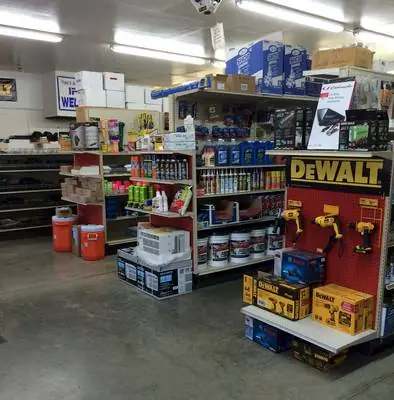
Picking day is a bad time to find out the bags are worn out, the ladders are missing a foot, or a trellis wire has gone slack. A few quiet hours in the week before harvest, with a notepad and a walk through the block, saves you from an afternoon of scrambling with a crew standing around. Here's a practical list for the gear and the setup.
Check the picking bags before anyone wears one
A picking bag gets hard use. It carries real weight on a harness, gets dropped, gets dragged and gets emptied hundreds of times a day. Lay each one out and look it over. Check the straps and the stitching where straps meet the body. Look at the bottom closure, since that's the part that opens to empty the fruit. A bottom that doesn't latch cleanly will bruise fruit or dump it in the grass.
Fit matters as much as condition. A bag that rides low or pulls on one shoulder wears people out, and tired pickers work slower and less gently. Adjust the harness so the weight sits across the shoulders and back, not on the neck. Have a new picker put the bag on and walk a few steps before they head into the rows. Wells & Wade picking bags are one of the lines the store carries, and extras for a bigger crew are easier to sort out ahead of time than on the first morning.
Keep the tickets simple and ready
Picking tickets are how a crew gets credited for what they pick, so run out of them and you'll have an argument. Count what you have against the number of pickers and the days you expect to pick. Keep a spare stack in the truck. Decide ahead of time who hands them out, who collects them, and where the full ones go when the crew quits for the day, so nothing ends up in a pocket and through the wash.
Ladder safety basics
Orchard ladders see rough ground, wet grass and long days, and most falls come from a few simple mistakes. A quick walk-around before the season can head off the worst of them. These are the basics worth repeating to every picker, especially anyone new:
- Look at each ladder before use. Bent rails, loose rungs or a damaged foot mean it comes out of service.
- Set the ladder on firm ground and make sure it doesn't rock. Dig it in or adjust it if it does.
- Lean it into the tree in a spot that feels solid, not against a thin branch.
- Keep your belt buckle between the rails and don't reach so far that you have to shift your weight.
- Climb down to move the ladder. Never walk it while you're standing on it.
- Empty the bag at the bin, not at the top of the ladder.
Gloves and safety glasses belong on the list too. Branch ends sit right at eye level, both on the ground and up the ladder, so glasses are not optional.
Do the trellis check before fruit gets heavy
A loaded trellis takes more strain than at any other time of year. Walk the rows and look for wires that sag between posts, posts that lean, and tree ties that have dug into a branch. A wire that's slack in September becomes a problem when the fruit adds weight and a wind comes up.
Crimp sleeves, tensioners and the tools to work them let you take up slack in a wire without replacing it, and tree tying twine handles leaders and branches that have shifted. Fix what you find before the crew arrives. Retying a heavy limb while someone is picking beneath it is slow and not very safe.
Have tools on hand for last-minute work
Even with good prep, something always needs cutting. Keep a few loppers and a pruning saw in the truck so nobody is hunting for one in the middle of a row. The store lists Hickok & Vaca loppers and Fanno and ARS pruning saws, and for cherries, a pole-mounted thinner called The Spider Pole is on the same list. Sharp tools make cleaner cuts, which heal better and save effort.
Plan around store hours
Harvest runs on a tight clock, and a missing part can hold up a whole crew. The store is open Monday through Friday from 8 to 5 and on Saturday from 8 to noon. It's closed on Sunday. If you need something for Monday morning, pick it up on Saturday. That one habit prevents a lot of Sunday-night trips to look for what you ran out of.
Before the crew arrives, run through this one more time: bags fit and latch, tickets counted, ladders sound, wires tight, tools sharp, gloves and glasses stocked. An hour on that list tends to pay for itself by the end of the first day.
Foothills Irrigation, (509) 678-4951
Call (509) 678-4951More articles
Spring Start-Up Checklist for Your Orchard Irrigation System
Do the start-up in the same order every year and small problems stay small.
Drip, Micro-Sprinklers or Impact Sprinklers for an Orchard Block
There's no single best emitter, but there are good questions to ask before you buy a mile of tubing.